
Introduction
Tiles are one of the most popular flooring and wall materials in homes and commercial spaces. They are durable, stylish, and relatively easy to maintain. However, while tiles may look clean on the surface, the grout lines between them often tell a different story. Over time, grout absorbs dirt, grease, moisture, and bacteria, causing floors and walls to appear dull, stained, and unhygienic. This is where tile and grout cleaning becomes essential.
Many people rely on regular mopping or surface cleaning, only to find that their tiles never quite regain their original shine. The reason is simple: grout is porous, and standard cleaning methods are not enough to remove deeply embedded contaminants. Professional and proper tile and grout cleaning not only restores appearance but also improves indoor hygiene, extends the life of tiles, and enhances the overall value of a space.
This comprehensive guide explores everything you need to know about tile and grout cleaning, from understanding why grout gets dirty to effective cleaning methods, benefits, maintenance tips, and when to seek professional help.
What Is Tile and Grout Cleaning?
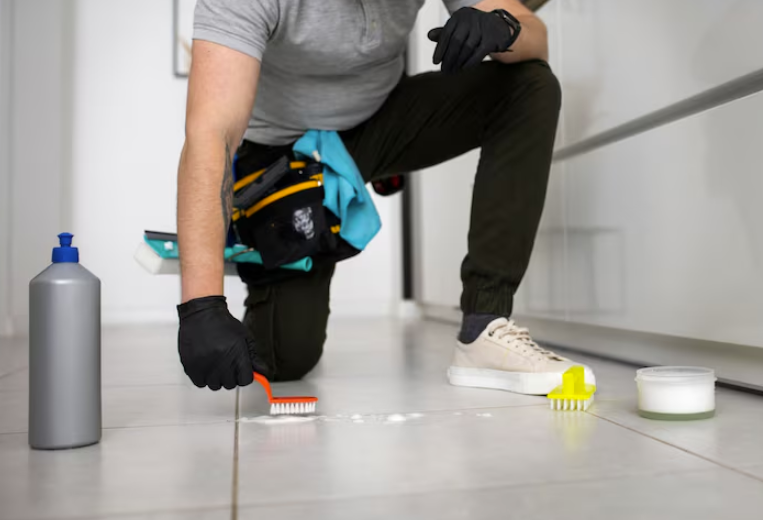
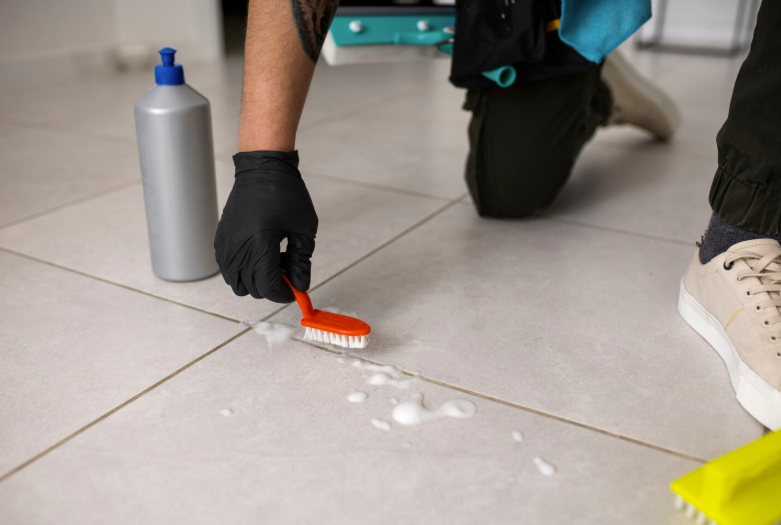
Tile and grout cleaning is a specialized cleaning process designed to remove dirt, stains, mold, mildew, and bacteria from tile surfaces and the grout lines between them. Unlike basic cleaning, this process targets contaminants that settle deep within grout pores and textured tile surfaces.
Tiles themselves are usually resistant to stains, but grout is made from cement-based materials that easily absorb liquids and debris. Over time, this absorption leads to discoloration and stubborn stains that cannot be removed with household cleaners alone.
Effective tile and grout cleaning combines specialized solutions, equipment, and techniques to restore both the tile surface and the grout lines to a clean and sanitary condition.
Why Tile and Grout Get Dirty Over Time
Understanding why tiles and grout become dirty helps explain why regular cleaning is often insufficient.
Porous Nature of Grout
Grout is highly porous, meaning it absorbs moisture, oils, soap residue, and dirt. In areas like kitchens and bathrooms, this happens even faster due to constant exposure to water and grease.
High Foot Traffic
In hallways, living rooms, and commercial spaces, heavy foot traffic pushes dirt and debris into grout lines. Even with regular sweeping, fine particles gradually settle and stain the grout.
Mold and Mildew Growth
Bathrooms, showers, and damp areas provide the perfect environment for mold and mildew. These microorganisms grow inside grout lines, leading to black or green discoloration and unpleasant odors.
Improper Cleaning Methods
Using harsh chemicals or dirty mop water can worsen grout staining. In many cases, mopping spreads dirty water across the floor, pushing contaminants deeper into grout rather than removing them.
Benefits of Professional Tile and Grout Cleaning
Investing in proper tile and grout cleaning offers several long-term benefits beyond appearance.
Restores Original Appearance
Professional tile and grout cleaning can dramatically improve the look of your floors and walls. Discolored grout lines become lighter, tiles regain their shine, and the entire space looks refreshed and well-maintained.
Improves Hygiene and Indoor Air Quality
Grout can harbor bacteria, allergens, and mold spores. Removing these contaminants improves indoor air quality and creates a healthier environment, especially for children, elderly individuals, and those with allergies.
Extends the Life of Tiles
Dirt and grit trapped in grout can wear down tile surfaces over time. Regular deep cleaning prevents premature deterioration and helps tiles last longer.
Enhances Property Value
Clean, well-maintained tiles make a strong impression on visitors, customers, and potential buyers. Professional tile and grout cleaning can increase the perceived value of residential and commercial properties.
Common Areas That Require Tile and Grout Cleaning
Tile and grout cleaning is beneficial in many areas of a property, but some spaces require more frequent attention.
Kitchen Tiles and Grout
Kitchens are exposed to grease, food spills, and moisture. Grout lines around stoves, sinks, and countertops often become stained quickly and require deep cleaning.
Bathroom and Shower Areas
Bathrooms are prone to soap scum, hard water stains, mold, and mildew. Tile and grout cleaning is essential to maintain cleanliness and prevent health issues.
Floor Tiles in Living Areas
High-traffic areas such as hallways, entryways, and living rooms accumulate dirt rapidly. Over time, grout lines darken and make floors look worn.
Commercial Spaces
Restaurants, offices, hotels, and retail stores require frequent tile and grout cleaning to maintain professional standards and meet hygiene regulations.
DIY Tile and Grout Cleaning Methods
Many homeowners attempt tile and grout cleaning themselves using household products. While these methods can help with light maintenance, they often fall short for deep cleaning.
Baking Soda and Vinegar
A mixture of baking soda and vinegar can remove surface stains and mild grime. However, it may not be effective for deep-set dirt and can damage grout if overused.
Steam Cleaning
Steam cleaners use high temperatures to loosen dirt and kill bacteria. While helpful, they may not fully remove stubborn stains without proper extraction.
Commercial Cleaners
Store-bought tile and grout cleaners offer convenience, but some contain harsh chemicals that can weaken grout over time if used frequently.
DIY methods are best for routine maintenance rather than deep restoration.
Professional Tile and Grout Cleaning Process
Professional tile and grout cleaning uses advanced techniques that deliver superior results.
Inspection and Assessment
Technicians evaluate tile type, grout condition, and level of staining to choose the most effective cleaning method.
Pre-Treatment
Specialized cleaning solutions are applied to loosen dirt, grease, and stains embedded in grout lines and tile pores.
High-Pressure Cleaning and Extraction
Using professional-grade equipment, high-pressure hot water is used to scrub grout lines and extract contaminants without damaging the tiles.
Grout Sealing
After cleaning, grout may be sealed to protect it from future stains and moisture absorption, making maintenance easier.
Tile and Grout Cleaning for Different Tile Types
Different tiles require different care approaches.
Ceramic and Porcelain Tiles
These are durable and respond well to professional tile and grout cleaning methods, including high-pressure washing and sealing.
Natural Stone Tiles
Marble, travertine, slate, and granite require gentle cleaning solutions to prevent etching and surface damage.
Glass Tiles
Glass tiles need non-abrasive cleaning methods to maintain their shine and prevent scratching.
A professional service ensures the correct approach for each tile type.
How Often Should Tile and Grout Be Cleaned?
The frequency of tile and grout cleaning depends on usage and environment.
-
Residential homes: Every 12–18 months
-
Bathrooms and kitchens: Every 6–12 months
-
High-traffic or commercial areas: Every 3–6 months
Regular maintenance prevents severe staining and reduces long-term costs.
Maintenance Tips After Tile and Grout Cleaning
Proper maintenance helps preserve results.
Sweep and Vacuum Regularly
Removing loose dirt prevents it from settling into grout lines.
Mop with Clean Water
Always use clean water and mild cleaners to avoid residue buildup.
Wipe Spills Immediately
Promptly cleaning spills prevents stains from penetrating grout.
Use Grout Sealers
Sealed grout resists moisture and stains, making routine cleaning easier.
Environmental Benefits of Professional Tile and Grout Cleaning
Professional tile and grout cleaning can also be environmentally friendly. Many services use eco-safe cleaning solutions that reduce chemical exposure and water waste. By restoring existing tiles instead of replacing them, you reduce landfill waste and conserve natural resources.
Choosing the Right Tile and Grout Cleaning Service
Selecting the right service provider is crucial.
-
Look for trained and certified technicians
-
Ask about eco-friendly products
-
Check reviews and experience
-
Ensure they offer grout sealing options
A reputable service guarantees safe and long-lasting results.
Conclusion
Tile floors and walls are designed to last, but their beauty and cleanliness depend heavily on proper care. Over time, grout absorbs dirt, moisture, and bacteria that regular cleaning cannot remove. This is why tile and grout cleaning is an essential part of maintaining a healthy, attractive, and long-lasting space.
Whether in a home or commercial environment, professional tile and grout cleaning restores the original appearance of tiles, improves hygiene, extends tile lifespan, and enhances overall property value. While DIY methods can help with basic maintenance, deep cleaning requires specialized equipment and expertise to deliver truly transformative results.
By investing in regular tile and grout cleaning and following proper maintenance practices, you can enjoy cleaner floors, brighter spaces, and a healthier environment for years to come.