
Introduction
Tile flooring, backsplashes, showers, and other tiled surfaces add beauty and durability to residential and commercial spaces. While tiles themselves are often resistant to moisture and wear, the grout between them is much more vulnerable. Grout is porous by nature, meaning it can absorb water, dirt, oils, bacteria, and stains over time. Without proper protection, grout can become discolored, weakened, and difficult to clean.
This is where grout sealing becomes essential. Grout sealing provides a protective barrier that helps preserve the appearance and integrity of tiled surfaces. Whether you have ceramic, porcelain, natural stone, or mosaic tiles, sealing grout can significantly extend the life of your investment while making maintenance easier.
In this guide, we’ll explore the importance of grout sealing, its benefits, the sealing process, maintenance tips, and why professional grout sealing services often deliver the best results.
What Is Grout Sealing?
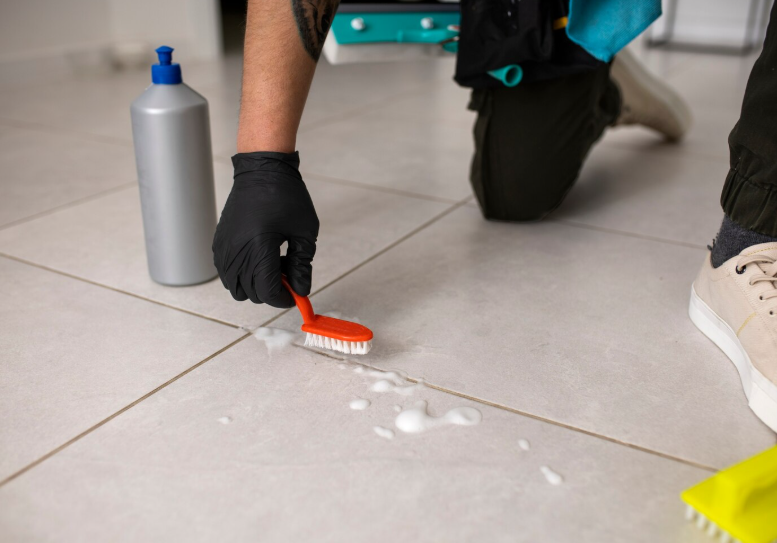
grout sealing
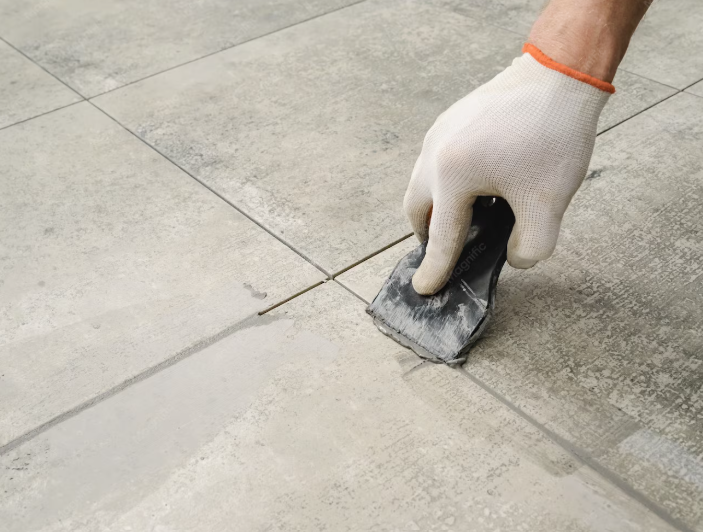
Grout sealing is the process of applying a specialized protective sealant to grout lines. The sealant penetrates the grout and creates a barrier that helps repel moisture, dirt, oils, and other contaminants.
Since grout is highly porous, it can easily absorb liquids and stains. Once contaminants penetrate the grout, they can lead to discoloration, mold growth, mildew, and deterioration. A quality grout sealer helps prevent these issues by reducing the grout’s ability to absorb unwanted substances.
Why Is Grout Sealing Important?
Many property owners invest in beautiful tile installations but overlook the importance of protecting the grout. Sealing grout is one of the most effective ways to maintain the appearance and durability of tiled surfaces.
Protection Against Stains
Spilled beverages, cooking oils, soaps, and cleaning products can quickly stain unsealed grout. Sealing helps prevent these substances from penetrating deep into the grout.
Moisture Resistance
Bathrooms, kitchens, laundry rooms, and entryways are constantly exposed to moisture. Grout sealing helps reduce water absorption, lowering the risk of mold and mildew growth.
Improved Appearance
Clean, sealed grout maintains its original color longer. It prevents dirt buildup and keeps tiled surfaces looking fresh and well-maintained.
Easier Cleaning
Sealed grout is much easier to clean because dirt and debris remain closer to the surface rather than becoming embedded deep within the grout lines.
Extended Lifespan
Properly sealed grout is less susceptible to cracking, deterioration, and premature wear, helping protect your tile investment for years.
Signs Your Grout Needs Sealing
Not sure if your grout needs sealing? Here are some common indicators:
Water Absorbs Quickly
Place a few drops of water on the grout. If the water absorbs within a minute, the grout likely needs sealing.
Persistent Stains
If grout lines appear stained even after cleaning, contaminants may be penetrating the porous surface.
Mold and Mildew Growth
Frequent mold or mildew formation may indicate excessive moisture absorption.
Discoloration
Dark, uneven, or dirty-looking grout often signals a lack of protection.
Aging Tile Installation
If your tile installation is several years old and has never been sealed, it may be time for professional grout sealing.
Types of Grout Sealers
Different types of sealers are available depending on the application and desired level of protection.
Penetrating Sealers
These sealers soak into the grout and create protection from within. They maintain the natural appearance of grout and are commonly recommended for residential and commercial applications.
Benefits include:
- Long-lasting protection
- Natural appearance
- Excellent moisture resistance
- Suitable for high-traffic areas
Membrane-Forming Sealers
These create a protective layer on the grout surface.
Advantages include:
- Strong stain resistance
- Visible protective barrier
- Suitable for specific indoor applications
However, membrane sealers may not be ideal for areas exposed to constant moisture.
Areas That Benefit Most from Grout Sealing
Bathroom Floors and Showers
Bathrooms experience constant moisture exposure. Grout sealing helps reduce mold, mildew, and water damage.
Kitchen Backsplashes and Floors
Cooking oils, food spills, and moisture can stain grout quickly. Sealing provides valuable protection.
Entryways
High foot traffic brings dirt and debris indoors. Sealed grout remains cleaner and easier to maintain.
Laundry Rooms
Water exposure and cleaning chemicals can affect grout over time. Sealing helps preserve its condition.
Commercial Spaces
Restaurants, offices, hotels, and retail facilities benefit from professional grout sealing due to heavy daily use.
The Professional Grout Sealing Process
While DIY products exist, professional grout sealing often produces more effective and longer-lasting results.
Step 1: Inspection
Technicians evaluate the condition of the tile and grout to determine cleaning and sealing requirements.
Step 2: Deep Cleaning
All dirt, grease, stains, and contaminants are removed before sealing.
Step 3: Drying
The grout must be completely dry to allow proper sealer penetration.
Step 4: Sealer Application
A professional-grade sealer is carefully applied to all grout lines.
Step 5: Curing
The sealant requires time to cure and develop its full protective capabilities.
Benefits of Professional Grout Sealing Services
Better Coverage
Professionals ensure complete and uniform sealer application.
High-Quality Products
Commercial-grade sealers often outperform many consumer products.
Longer Protection
Professional applications typically last longer and provide superior resistance.
Time Savings
Experts complete the process efficiently while minimizing disruption.
Enhanced Results
Professional cleaning before sealing ensures optimal performance.
How Long Does Grout Sealing Last?
The lifespan of grout sealing depends on several factors:
- Traffic levels
- Moisture exposure
- Cleaning habits
- Type of sealer used
- Quality of installation
Most professionally applied sealers last between one and five years before reapplication is recommended.
Grout Maintenance Tips After Sealing
To maximize protection:
Use pH-Neutral Cleaners
Avoid harsh chemicals that can degrade sealers.
Clean Spills Promptly
Even sealed grout benefits from quick cleanup.
Sweep and Mop Regularly
Routine maintenance prevents dirt accumulation.
Schedule Periodic Inspections
Professional inspections can identify wear before major issues develop.
Reapply Sealer as Needed
Regular resealing helps maintain continuous protection.
Common Grout Sealing Mistakes
Property owners should avoid:
- Applying sealer to dirty grout
- Using excessive amounts of sealer
- Ignoring curing times
- Choosing the wrong sealer type
- Waiting too long between resealing applications
Proper application is essential for achieving maximum protection.
Conclusion
Grout sealing is one of the most important maintenance steps for preserving tiled surfaces. By creating a protective barrier against moisture, stains, dirt, and contaminants, grout sealing helps maintain the beauty and durability of tile installations. Whether in bathrooms, kitchens, commercial properties, or high-traffic areas, properly sealed grout remains cleaner, healthier, and easier to maintain.
Investing in professional grout sealing services can extend the life of your tile surfaces, improve appearance, and reduce long-term maintenance costs. For homeowners and businesses alike, grout sealing is a smart solution for protecting valuable flooring and tiled areas.
Frequently Asked Questions
How often should grout be sealed?
Most grout should be resealed every 1–5 years depending on usage and exposure.
Does grout sealing prevent mold?
It helps reduce moisture absorption, which can minimize mold and mildew growth.
Can old grout be sealed?
Yes. Old grout can often be cleaned, restored, and sealed successfully.
Is grout sealing necessary for all tile installations?
Most tile installations benefit from grout sealing, especially in moisture-prone areas.
How long does grout sealer take to dry?
Drying and curing times vary, but many sealers require 24–48 hours for full protection.
Can I seal grout myself?
DIY sealing is possible, but professional services generally provide more consistent and longer-lasting results.