
Introduction
Upholstery cleaning is one of the most overlooked yet essential parts of maintaining a clean and healthy home or workplace. Sofas, chairs, cushions, and other upholstered furniture collect dust, allergens, food crumbs, pet hair, and stains over time. While these items may look clean on the surface, hidden dirt deep within the fabric can affect both appearance and indoor air quality.
Regular upholstery cleaning not only restores the beauty of your furniture but also extends its lifespan and promotes a healthier living environment. Whether you are a homeowner, a business owner, or a property manager, understanding the importance of upholstery cleaning can save you money and keep your space looking professional and inviting.
In this detailed guide, we’ll explore what upholstery cleaning is, why it matters, different cleaning methods, benefits, common mistakes, and tips for maintaining your furniture in the best possible condition.
What Is Upholstery Cleaning?
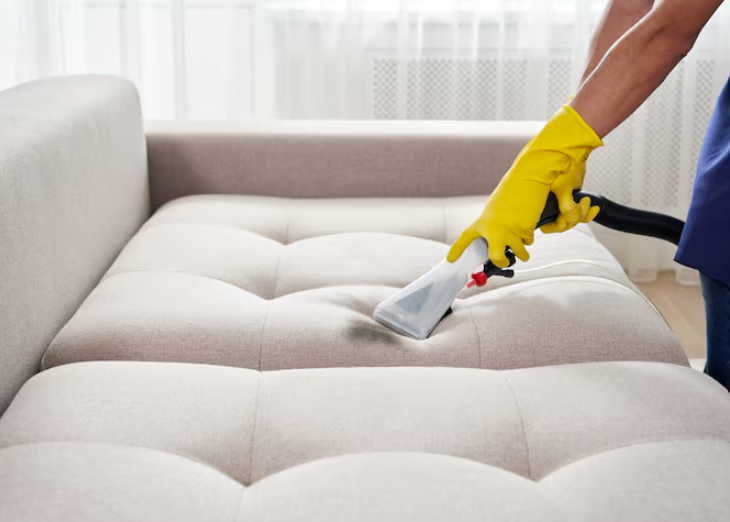
upholstery cleaning
Upholstery cleaning refers to the process of removing dirt, stains, odors, allergens, and bacteria from fabric-covered furniture. This includes sofas, armchairs, recliners, dining chairs, ottomans, and even car seats. Each piece of furniture is made with different materials, such as cotton, linen, leather, microfiber, or synthetic blends, which require specific cleaning techniques.
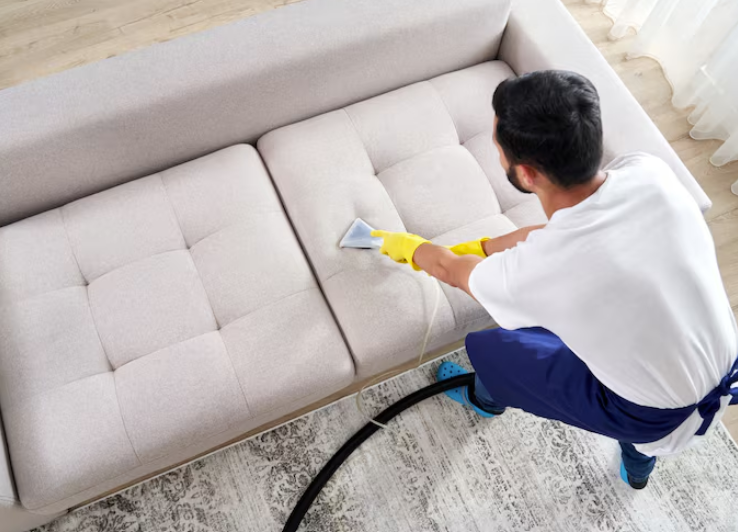
Professional upholstery cleaning uses specialized tools and cleaning solutions to safely clean fabric without damaging it. Unlike regular vacuuming, deep upholstery cleaning reaches embedded dirt and contaminants that accumulate over months or years.
Why Upholstery Cleaning Is Important
Improves Indoor Air Quality
Upholstered furniture acts like a filter, trapping dust, pollen, pet dander, and other allergens. Over time, these particles become airborne whenever someone sits down or moves the furniture. Upholstery cleaning removes these contaminants, improving indoor air quality and reducing allergy symptoms.
Extends Furniture Life
Dirt and debris can break down fabric fibers, causing furniture to look worn out faster. Regular upholstery cleaning protects the material, helping your furniture last longer and maintain its original appearance.
Enhances Appearance
Clean furniture instantly makes a room look brighter and more welcoming. Upholstery cleaning removes stains, dullness, and odors, restoring color and texture to your furniture.
Promotes a Healthier Environment
Bacteria, mold, and dust mites can thrive in dirty upholstery. Professional upholstery cleaning eliminates these harmful elements, creating a safer environment for children, pets, and guests.
Common Types of Upholstery Fabrics
Understanding your furniture’s fabric is essential for proper upholstery cleaning.
Cotton and Linen
These natural fabrics are comfortable and breathable but can absorb stains easily. They require gentle upholstery cleaning methods to prevent shrinking or fading.
Microfiber
Microfiber is durable and stain-resistant but can show water marks if not cleaned correctly. Specialized upholstery cleaning techniques are used to maintain its look.
Leather
Leather upholstery cleaning focuses on removing dirt while conditioning the material to prevent cracking and drying.
Synthetic Fabrics
Polyester and nylon blends are common in modern furniture. These fabrics respond well to professional upholstery cleaning and are generally easier to maintain.
Upholstery Cleaning Methods
Vacuum Cleaning
Vacuuming is the first step in upholstery cleaning. It removes loose dirt, crumbs, and dust from the surface and crevices of furniture.
Steam Upholstery Cleaning
Steam cleaning, also known as hot water extraction, is one of the most effective upholstery cleaning methods. It uses hot water and cleaning solutions to break down dirt, which is then extracted using powerful suction.
Dry Upholstery Cleaning
This method uses minimal moisture and specialized cleaning compounds. Dry upholstery cleaning is ideal for delicate fabrics that cannot tolerate excess water.
Foam Cleaning
Foam upholstery cleaning involves applying a foam-based cleaner that attracts dirt particles. Once dried, the foam is vacuumed away, leaving the upholstery fresh.
Leather-Specific Cleaning
Leather upholstery cleaning uses pH-balanced cleaners and conditioners to clean and protect the material without causing damage.
Benefits of Professional Upholstery Cleaning
Deep and Thorough Cleaning
Professional upholstery cleaning reaches deep into fabric fibers, removing dirt and allergens that household cleaning methods cannot.
Time and Effort Saving
Cleaning upholstery on your own can be time-consuming and physically demanding. Professional services handle the process efficiently and safely.
Safe Cleaning Solutions
Experts use fabric-safe and eco-friendly products, ensuring upholstery cleaning is safe for your family and pets.
Odor Removal
Professional upholstery cleaning eliminates unpleasant smells caused by spills, pets, smoke, or moisture buildup.
Stain Treatment Expertise
Professionals know how to treat tough stains without spreading them or damaging the fabric.
Upholstery Cleaning for Homes
In residential spaces, upholstery cleaning is essential for maintaining comfort and hygiene. Living room furniture is used daily and is prone to spills, sweat, and dust buildup. Regular upholstery cleaning keeps your home looking clean and feeling fresh.
Homes with children and pets especially benefit from frequent upholstery cleaning, as it removes food stains, pet hair, and bacteria that can accumulate quickly.
Upholstery Cleaning for Offices and Commercial Spaces
In offices, hotels, restaurants, and waiting areas, furniture creates the first impression. Dirty or stained upholstery can make a business look unprofessional. Upholstery cleaning helps maintain a clean, polished image while ensuring a healthy environment for employees and customers.
Commercial upholstery cleaning is often scheduled during off-hours to minimize disruption and maintain consistent cleanliness.
How Often Should Upholstery Be Cleaned?
The frequency of upholstery cleaning depends on usage and environment.
-
Homes: Every 12 to 18 months
-
Homes with pets or children: Every 6 to 12 months
-
Offices and commercial spaces: Every 3 to 6 months
Regular maintenance prevents heavy buildup and reduces long-term cleaning costs.
DIY Upholstery Cleaning vs Professional Cleaning
DIY Upholstery Cleaning
DIY methods include vacuuming, spot cleaning, and using store-bought cleaners. While these methods help with surface dirt, they may not remove deep stains or allergens.
Professional Upholstery Cleaning
Professional upholstery cleaning offers advanced equipment, expert knowledge, and better results. It minimizes the risk of fabric damage and provides longer-lasting cleanliness.
Common Upholstery Cleaning Mistakes to Avoid
-
Using too much water, which can cause mold growth
-
Applying harsh chemicals that damage fabric
-
Scrubbing stains aggressively, spreading them further
-
Ignoring manufacturer cleaning codes
-
Skipping regular maintenance
Avoiding these mistakes ensures effective and safe upholstery cleaning.
Tips to Maintain Clean Upholstery
-
Vacuum furniture weekly
-
Clean spills immediately
-
Rotate cushions regularly
-
Keep furniture away from direct sunlight
-
Schedule professional upholstery cleaning regularly
These habits help preserve the look and feel of your furniture between cleanings.
Eco-Friendly Upholstery Cleaning
Many professional upholstery cleaning services now offer eco-friendly options. These use biodegradable, non-toxic products that are safe for the environment and indoor spaces. Green upholstery cleaning is ideal for households with allergies, pets, or children.
Choosing the Right Upholstery Cleaning Service
When selecting an upholstery cleaning service, consider:
-
Experience and customer reviews
-
Fabric-specific cleaning expertise
-
Use of safe cleaning products
-
Transparent pricing
-
Satisfaction guarantees
Choosing the right professionals ensures high-quality upholstery cleaning results.
Conclusion
Upholstery cleaning plays a vital role in maintaining the cleanliness, comfort, and longevity of your furniture. Over time, upholstered surfaces collect dirt, allergens, and bacteria that can affect both health and appearance. Regular and professional upholstery cleaning not only restores the beauty of your furniture but also creates a healthier indoor environment.
Whether for your home or business, investing in upholstery cleaning is a smart and cost-effective decision. With proper care, routine maintenance, and professional services, your upholstered furniture can remain fresh, clean, and inviting for years to come.